
HEEL opens Thursday 20th August at The Libra Theatre Cafe, being a dark comedy around a sadistic female CEO. Learn more about what you can expect:
1: What first inspired the idea behind this story?
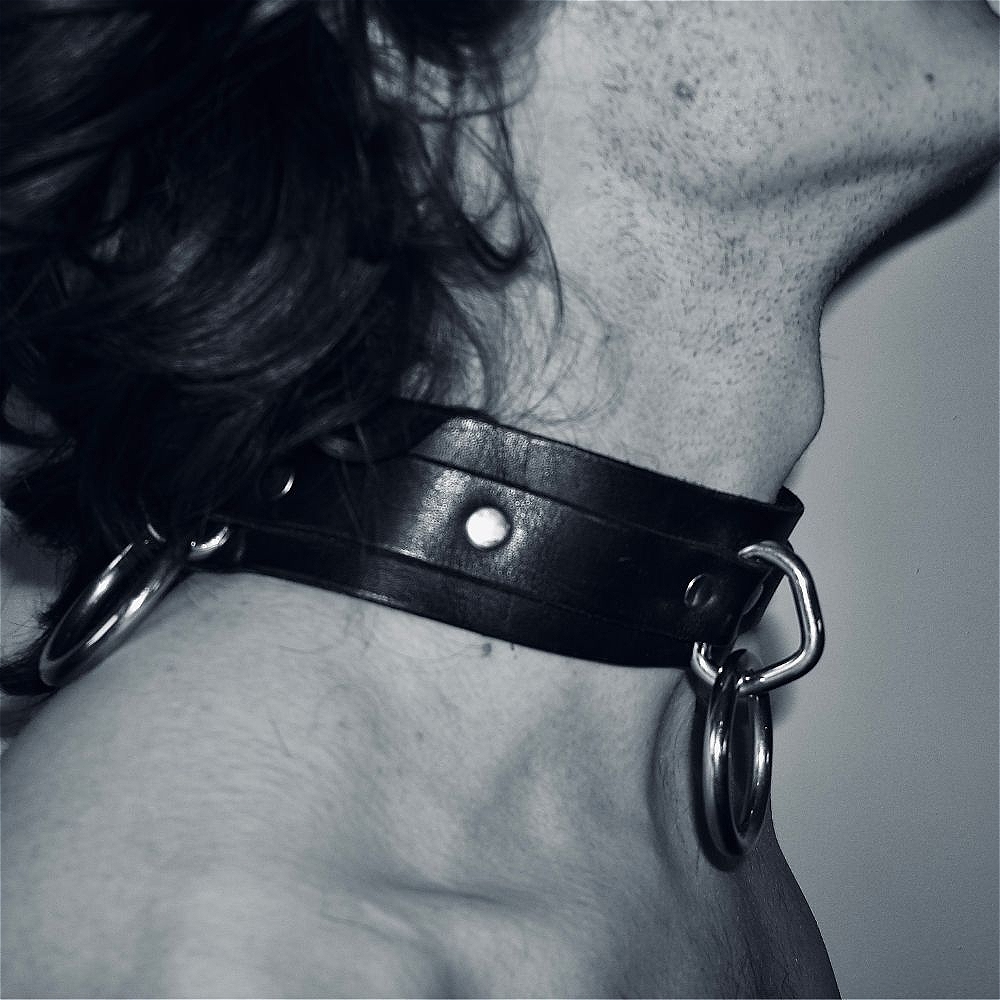
The first two creative hobbies I ever cultivated were music and painting before acting or writing, and as a result, these forms of art greatly inform my life and inspirations. I’m a very visual person, and I usually get visual ideas from music. I was listening to Oingo Boingo’s song “Elevator Man,” and I got the image for what would become the beginning and ending of the show. I don’t want to spoil the end, but the beginning originally was a man being trapped in a collar by a gleefully dancing woman. The ending is a bit of a reversal of that dynamic. The beginning has slightly changed due to this Fringe show being a 60-minute cut of a 90-minute show, but those two distinct visuals are what informed the whole story. I just had to find how they fit together.
2: How do the dream sequences change the audience’s understanding of the characters?
The most prominent dream sequence alludes to the true nature of both of the lead characters, the selves they keep locked away or pretend aren’t there. The next dream is arguably one where the audience and characters aren’t really sure how much of it is real and serves as a bit of a gateway to the characters embracing their new personas. Not necessarily their true selves, as they have inverted character arcs where one has his mask slowly and forcefully peeled away by the other character who is desperately trying to repress herself. The second dream is where they almost fall into their new roles but are jolted out of it by the illusion not seeming perfect yet or being incomplete.
3: How did you approach making these morally complex characters?
It can be difficult writing these kinds of characters that are undeniably horrible people without making them completely unsympathetic ghouls, but I think that’s where comedy comes in. You know these people all suck, but you can’t help but laugh at how ridiculous they are. As a writer, I also have to empathize inherently with all my characters, no matter how despicable they are. It seems a bit corny, but I like to remember that no one is born evil; every bad person was once a child, every bad person has done at least one good thing, and bad people often don’t think they are bad. They both, along with the third actor’s various roles, have moments of goodness in them; maybe they’re far away, but they are there, even buried under all the evil crap they have on them now.
4: The show explores taboo desires. What conservations were you hoping to see?
The ending is quite ambiguous because I do enjoy art that provokes a discussion and dialogue afterwards, and I hope people come away questioning how sex, capitalism, gender, and violence all intersect in a perpetually toxic cycle. There is a big theme of gender-based violence within the show and how rebelling against or fulfilling traditional gender roles can manifest in opposite ends of the sadomasochistic spectrum. Another inspiration for this script is Takashi Miike’s film “Ichi the Killer,” in which he explores how extreme sadomasochism can pervert and twist all aspects of life beyond even sex. One can be a sadist sexually but also be a sadist generally and enjoy causing pain even if they don’t derive sexual pleasure from it. The lead female character, Danika, is raised her entire life to be “traditionally masculine,” which in our culture usually is associated with things like domination and violence, even though these are not inherently masculine traits, but rather societal norms we have associated with being a man for centuries. She is unhappy in this role, but unfairly associates that with her womanhood and the idea that a woman should naturally be on the other end of the pendulum in the subservient and submissive role. She struggles with how to fit into this box she sees before her since she has lived her entire life in a masculine position of power, and has to learn to play this new twisted part she has made up for herself. On the other end is Eli, who is ignorant of his own nature and puts on a pretense of gentleness and learnedness that I think so many men have quickly adopted in this era of “golden retriever boys” and “men who I would trust with my drink”. He’s very much a critique of sensitive male artists, particularly actors, who sometimes attempt to distance themselves from surface-level masculinity but still behave in misogynistic and regressive ways. I hope people question these men more and don’t fall for their illusions while also examining how their own gender has informed how they believe others should treat them. My heart breaks for girls who grow up getting told they’re bossy or too loud, so they learn to make themselves small and non-threatening because that’s the role laid out for them. As for taboo desires in a sexual sense, not kink-shaming, I just think maybe everyone should examine why they like certain things; that’s all.
5: What was the biggest challenge in portraying such emotionally intense material?
While writing, I had to turn off the voice in my head that wondered how people were going to react to certain things. Before this, I had only written a one-act that, while a bit funny and off-kilter, is overwhelmingly wholesome and cute. To really tap into the subjects I wanted to explore, I had to shut off any and all thoughts of what people may think and just write for the sake of it. I think it comes off more authentic that way, and I can’t self-sensor during the process. At first it was a challenge, and I wrote some scenes while gritting my teeth, but after a while I grew to have fun with it. Another theme of the show is that admitting everyone is a little bit awful is necessary, and I think I get my awfulness out in my writing.
6: What has been the most enjoyable part about creating HEEL?
Before this Fringe run, we’ve had three rehearsed readings, and in each one I’m always very honoured by how people are impacted by the characters, particularly Danika. I greatly enjoy hearing from the women in the cast and audience how her character resonated with them. On the surface, she can appear quite alien, but I think her struggle with womanhood is something many people can relate to, despite maybe not being sadistic big pharma CEOs like her, and it’s been very fulfilling to hear that this story speaks to people’s real lives despite the absurdity of the plot.
HEEL opens Thursday 20th August at The Libra Theatre Cafe. Many thanks to Delia Frances K. for answering our questions. Book your tickets here!
Leave a Reply