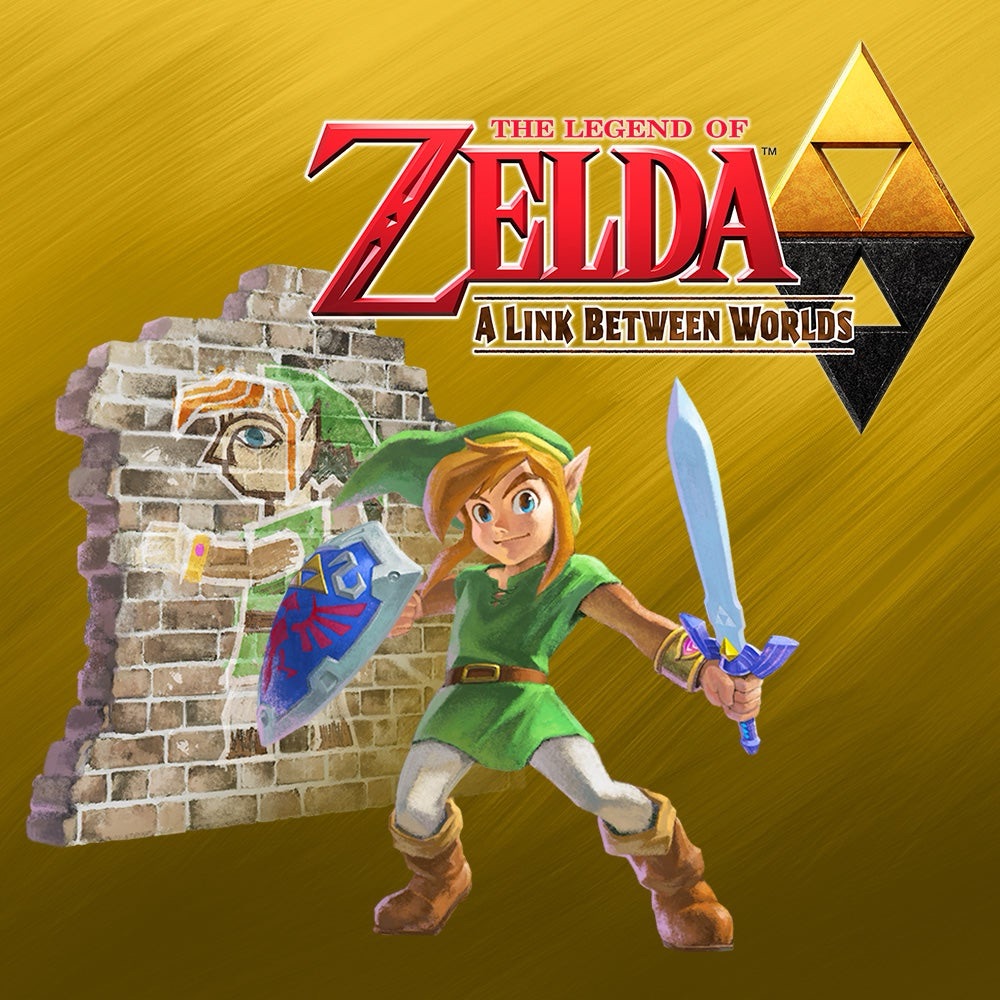
The Legend of Zelda franchise is filled with classic titles that are often spoken about. These usually include Ocarina of Time, Breath of the Wild, and A Link to the Past. However, when I think of the franchise, one game stands out above the rest: The Legend of Zelda: A Link Between Worlds. Released in 2013 for the Nintendo 3DS, this game delivered some of the smartest design, the most satisfying freedom of exploration, and a bold, creative mechanic that is utilised extremely well. Over a decade later, it still plays beautifully, looks great, and shows that bold ideas can work. A Link Between Worlds isn’t just a great Zelda game: it’s an underrated masterpiece that deserves far more recognition than it gets.
A Perfect Return to a Familiar World:
Though A Link Between Worlds strives to innovate the Zelda formula, it is also a direct sequel to the classic 1991 SNES game A Link to the Past. Because of this, the world maps of Hyrule and Lorule closely mirror the original game, with new additions layered on top. Exploring these familiar spaces feels deeply nostalgic, but the game never relies on nostalgia alone. Well-known locations feel both comforting and surprising, while the updated art style and subtle new features ensure the experience still feels fresh.

This approach allows A Link Between Worlds to successfully balance old and new ideas. The game retains the classic top-down perspective, dungeon-focused progression, and puzzle-heavy design that define 2D Zelda. By introducing new mechanics and puzzles within a familiar map, the game encourages players to respect its past while discovering new possibilities within the lands of Hyrule and Lorule.
The Genius of the Wall-Merging Mechanic:
The defining new mechanic in A Link Between Worlds is its wall-merging ability, which is one of the most creative ideas the Zelda series has ever introduced. During the story, Yuga battles Link and traps him inside a wall as a painting. Thankfully, Ravio’s bracelet saves Link from the curse and allows him to merge freely into walls. The ability to flatten Link into a painting and move along walls changes how players approach exploration, puzzles, and occasionally combat. It never feels gimmicky; instead, it feels like a natural extension of the game’s design.

As you progress through the dungeons, you quickly notice that each one is cleverly designed to make players rethink their surroundings. Dead ends might not actually be dead ends, and creativity becomes essential when exploring the world. Through experimentation and observation, A Link Between Worlds introduces innovation through the simplicity of this mechanic.
Freedom and Choice:
Breath of the Wild redefined freedom in the Zelda series, allowing for non-linear progression and open exploration. However, years before this, A Link Between Worlds had already experimented with this idea. Instead of receiving a new item at the end of each dungeon, Ravio’s rental shop allows players to rent items early on, giving them the freedom to tackle many dungeons in almost any order. This shift in the Zelda formula creates a more explorative style of gameplay.

Each dungeon is still carefully designed, subtly guiding players toward using the correct items without forcing them. If you die, rented items are lost, which encourages careful play while exploring Hyrule and Lorule. In many ways, this system helped shape the design philosophy of future non-linear Nintendo games. It gives players freedom without removing challenges or meaningful consequences.
Expanded Characters and Story:
While the gameplay is the strongest and most innovative part of A Link Between Worlds, the story is simple and easy to follow. We are introduced to Link, an apprentice blacksmith, who is tasked with delivering a newly forged sword to Hyrule Castle. On his journey, Link encounters Yuga, who turns one of the Seven Sages into a painting. After spending time with Ravio, Link attempts to confront Yuga, only to be turned into a painting himself. Thankfully, the magic bracelet frees Link and grants him the ability to merge into walls. The story then focuses on rescuing the Seven Sages across multiple dungeons, eventually leading to Link using the Triforce to defeat Yuga.

Yuga serves as the main antagonist for most of the game. He is an evil sorcerer who hunts down the descendants of the Seven Sages, using his magic wand to turn people into paintings. While this sounds strange, it actually leads to some striking visual moments. I think Yuga is a strong antagonist, offering a fresh enemy for Link: at least until Ganondorf appears near the end of the game.

Another important character is Hilda, the Princess of Lorule. She acts as a counterpart to Zelda, sharing polar characteristics and a similar design. As the story progresses, however, Hilda is revealed to be more malicious in nature, manipulating events for her own benefit and creating further obstacles for Link. This darker version of Zelda is an effective use of the mirror-world concept and adds more depth to the narrative.

The final character worth mentioning is Ravio, a shopkeeper in Hyrule who wears a rabbit-like outfit. Over time, it is revealed that Ravio is actually from Lorule and supports Link by renting out items. He is accompanied by his pet bird, Sheerow. As the story reaches its climax, Ravio reveals himself to be Lorule’s counterpart to Link. Unlike Link, Ravio is fearful and hesitant, providing an interesting contrast between the two heroes.
The game also introduces Lorule itself, a parallel world that mirrors Hyrule but is darker, emptier, and in decline. Both worlds are enjoyable to explore and help make the game feel alive. Across Hyrule and Lorule, players can collect Maiamais: small creatures that have been scattered across both lands. Mother Maiamai tasks Link with finding all 100 of her lost children, which serves as a great incentive to fully explore every corner of both worlds.
Why A Link Between Worlds Still Feels Modern:
After more than a decade, A Link Between Worlds still feels modern. Its art style has aged extremely well, using clean visuals and strong colour choices that make it feel artistic and unique. Because of this, the game feels timeless and remains just as enjoyable to play today as it was back in 2013.
The pacing of the game also continues to hold up well. There is very little filler, with each dungeon, puzzle, and side activity feeling purposeful and meaningful to progression. The game respects the player’s time, allowing for short play sessions—something Nintendo’s handheld systems have always excelled at. Overall, A Link Between Worlds feels like a stepping stone that successfully blends both modern and classic Zelda design.
While it may not always receive the same attention as some of the most famous Zelda titles, A Link Between Worlds deserves to be part of the conversation. It proves that handheld Zelda is far from outdated and that some of the series’ smartest ideas came from its most understated releases. For anyone who has never played A Link Between Worlds, now is the perfect time to experience this underrated masterpiece.
Max
Leave a Reply