
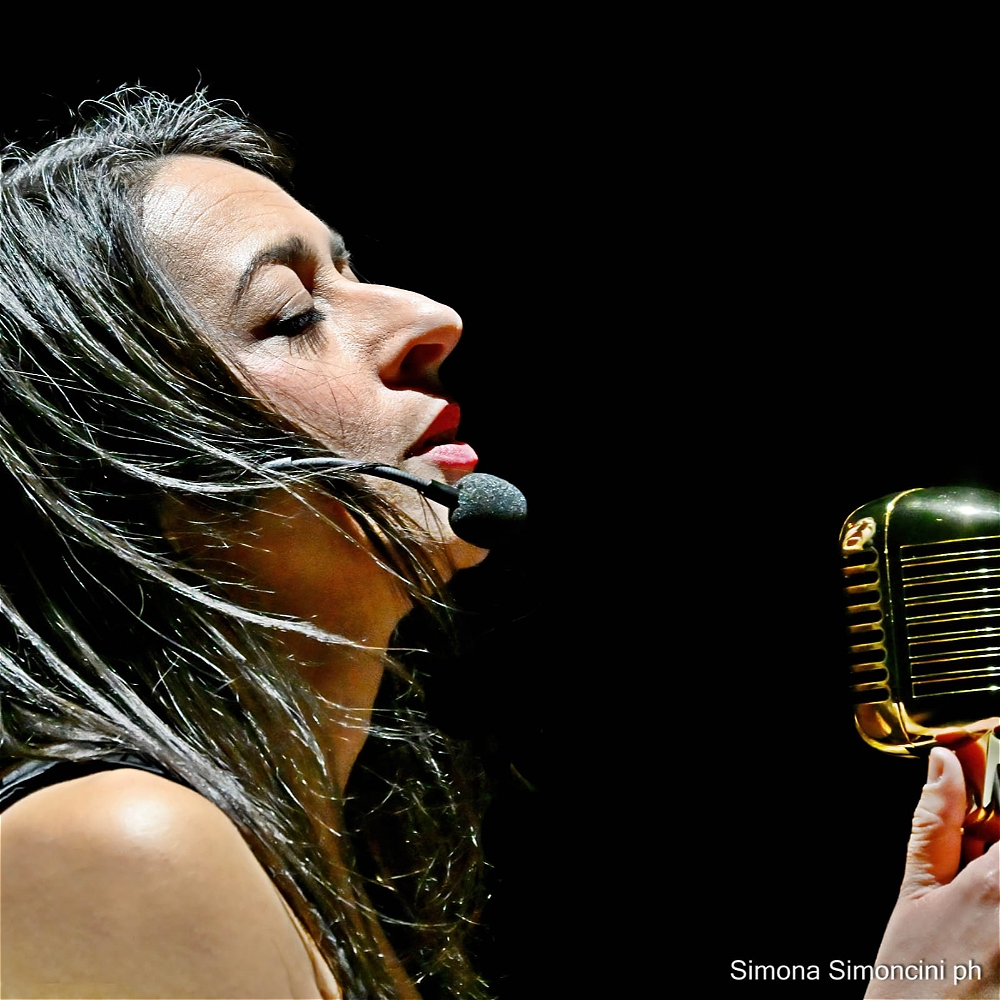
Nuovo Orizzonte opens Wednesday 5th August at Theatro Technis, focusing on Trudy Ederle’s achievement of crossing the English Channel. Learn more about what you can expect:
1: What first drew you to Gertrude “Trudy” Ederle’s story?
Trudy Ederle’s story fascinated me from the very first time I heard it. At first, it might seem like just a personal challenge between a woman and the sea, but in reality, Trudy was fighting against an entire society that wanted to confine her to a predetermined role — the angel of the hearth, wife and mother. Instead, she fought for the right to define herself in whatever way she truly wanted. Trudy fought to allow women to learn to swim, not just for pleasure but for their own personal safety, for instance. What fascinated me was her strength of spirit and the almost legendary nature of her feat.
2: Why do you think Ederle’s achievement still resonates 100 years later?
Her achievement is still relevant today: 100 years have passed, and fortunately many things have changed, but we still need to remember how important it is for a woman to be recognised as a “thinking mind,” as a free individual entitled to define herself, beyond the condescending gaze of men. In Italy, this is a sadly topical issue — the high rate of femicide in our country shows how men often perceive the woman beside them as property rather than a person with her own desires and aspirations.
3: How did you develop the script and what kind of research informed this?
After researching archival footage and reading Glenn Stout’s book dedicated to the swimmer, Young Woman and the Sea, I began working through improvisation: I gave voice to the various characters in Trudy’s life and wove them into the narration. Everything that worked on stage was then put down on paper — perhaps a reverse process compared to the more familiar one of going from page to stage. I also worked alongside video maker Leonardo Battaglia on the visual side: I wanted to somehow overcome the physical limits of the stage space, to bring the sea onto the wooden boards. That’s why we chose to film live from various points of view on stage, alternating with archival footage or animations of the sea. The music, composed by Edoardo Bacchelli, guides the audience to immerse themselves in the narrative dimension of the story.
4: How do audiences who don’t speak Italian experience the performance?
This is the first time I’ve brought Nuovo Orizzonte in front of an audience that doesn’t speak Italian… but I’m confident that with the help of the subtitles, and the emotions carried by the video and music, English-speaking audiences will also be able to immerse themselves in the waters of the Channel alongside Trudy Ederle.
5: As the sole performer, how do you sustain the emotional and physical energy throughout the piece?
The theatre is my habitat — I forget all the fatigue once I’m on stage… maybe it all catches up with me afterwards!
6: What has been the most enjoyable part about creating Nuovo Orizzonte?
Being able to bring together my passion for the sea (even though I can’t swim) and the fight for women’s rights, a cause close to my heart, felt beautiful and joyful right from the start. Including my daughter last year in some of the video frames of the show was also sweet and fun — in a way, a mother-daughter moment built around such an important theme as gender equality.
Nuovo Orizzonte opens Wednesday 5th August at Theatro Technis. Many thanks to Alessandra Donati for answering our questions. Book your tickets here!
Leave a Reply